

Ayman Kafel immigrated to the US from war torn Lebanon. When our nation was attacked on 9/11, he immediately enlisted in the Army. He had several combat deployments but was forced out due to a medical discharge. He has continued his service as a police Sergeant in Massachusetts.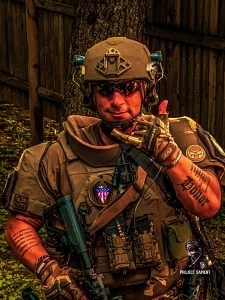
Ayman has become a thought leader on issues of tactical health and human performance. A prolific writer, he has published more than 100 articles at the Havok Journal on topics impacting law enforcement.
We begin our conversation discussing his article “What Rank Cannot Fix”. In both his military and law enforcement career, Ayman has encountered personnel who believed leadership is tied to something that is pinned on their chest or collar.
He says there is a clear difference between someone who has just checked the boxes and someone who has earned the trust of those around them. People listen to them not because they must, but because they want to. “You do not define it. You observe it. You feel it. Like weather, it is immediately apparent if you are paying attention.”
Next, we discuss the impacts of trauma in the law enforcement profession and the neurobiology of carrying stress over time. This can create actual changes in brain structure and function over time. Clearly, obvious trauma like having to fire your weapon or witnessing a traffic fatality is something that law enforcement deals with. However, Ayman says there are more “subtle” types of traumas that can compound the situation. These include things like a toxic leadership environment and morale injury. “I have seen situations where the job itself was not what broke people. It was everything around it.”
Much of what Ayman writes and lives is based upon what he calls “The Sapient Doctrine”. He shares more about the seven pillars of this doctrine including awareness, self-command, physical readiness, disciplined action, leadership climate, adaptability and purpose.