Larry Cripps was drafted into the Army in the summer of 1969. He would see combat with the 11th Armored Cavalry Regiment in both Vietnam and Cambodia. His experiences in combat profoundly influenced his understanding of faith during times of conflict.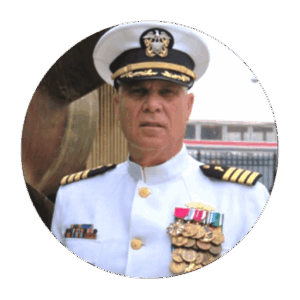
Following his discharge from active duty in 1971, Larry pursued a Bachelor’s Degree in Biblical Education and History and attended Seminary School. He returned to the military and served as a Navy Chaplain for three decades. He says he ended up in the Navy instead of going back to the Army because that branch was engaging in stop loss programs at the time.
Following the 9/11 attacks he was assigned to coordinate critical response activities at the Pentagon, including the somber responsibility of notifying next of kin. The attacks also forced Cripps to finally confront the survivors guilt he felt from Vietnam. He would go on to provide spiritual support to 4th Marine Division during the violent battle for Fallujah.
His retrospective on his own healing journey, and advice to others who are in a comparable situation, is chronicled in his book “The Hope of War: A Chaplain’s Journey to Abiding Faith, Enduring Hope and Love Under Fire.” The book has been described as a “field manual” for applying spirituality in practical ways.
Cripps emphasizes that in order to really begin a healing journey, one must embrace the “double sided” version of courage: strength AND vulnerability. Only when we apply both can we face the storms that life brings us. He shares his personal journey of finally seeking help from a comrade to address his suppressed trauma from Vietnam.
We also spend some time discussing “moral injuries” and how these can severely impact a healthy transition to the civilian world.
TAKEAWAY: “Your story is still being written, and you have tremendous influence over how it ends… if you’re willing to believe it.”